Die Centurion Teater | The Centurion Theatre
Train in a live performance venue equipped with professional sound, lighting and multimedia equipment. Practical work can move from rehearsal into the space where shows are staged and audiences gather.

Work between the rehearsal room, the stage, the studio and the workshop at our Centurion campus.
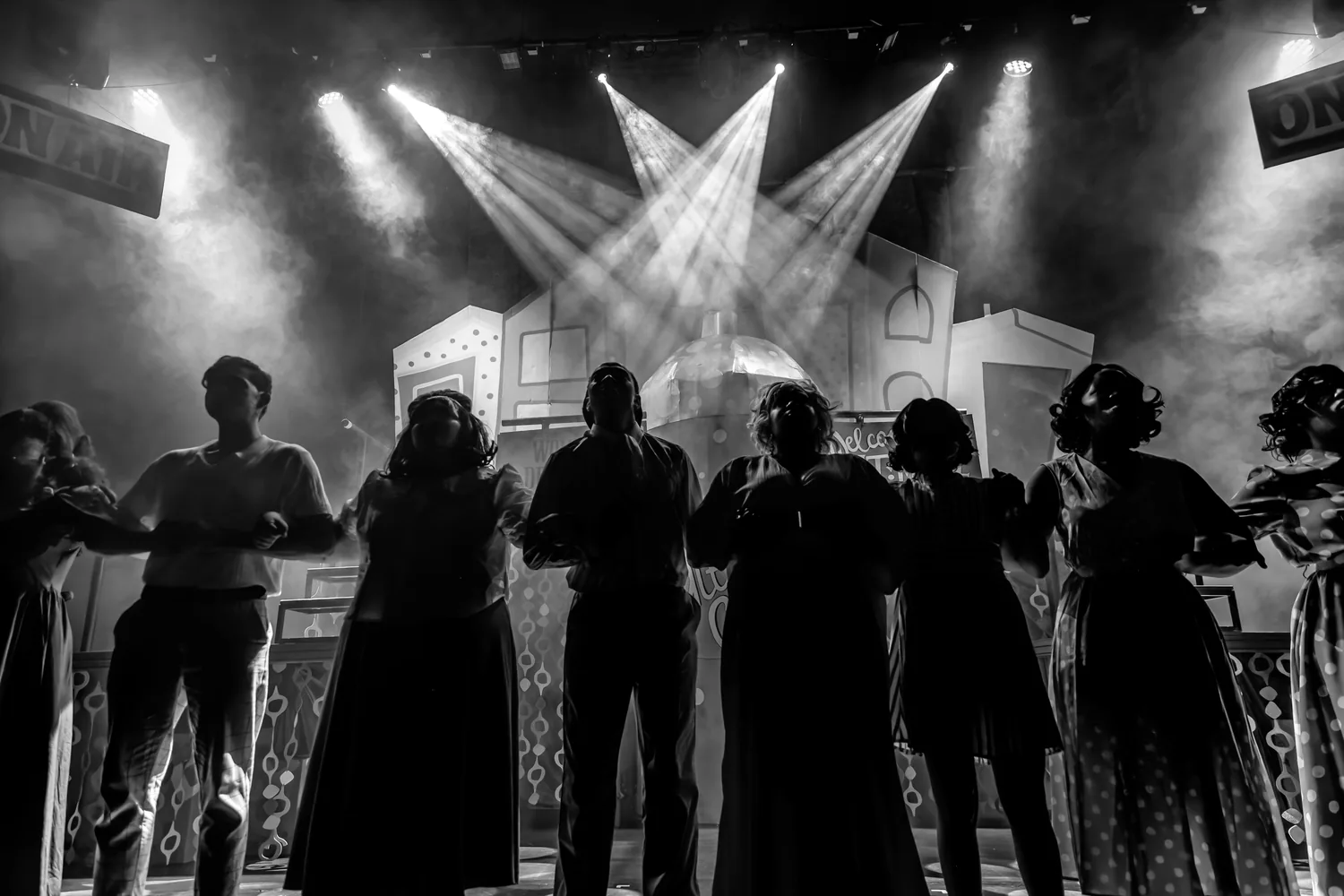
Our campus is based at Die Centurion Teater | The Centurion Theatre in Centurion. Classrooms, rehearsal spaces and production facilities sit alongside a working theatre, so students see how the different parts of a production come together.
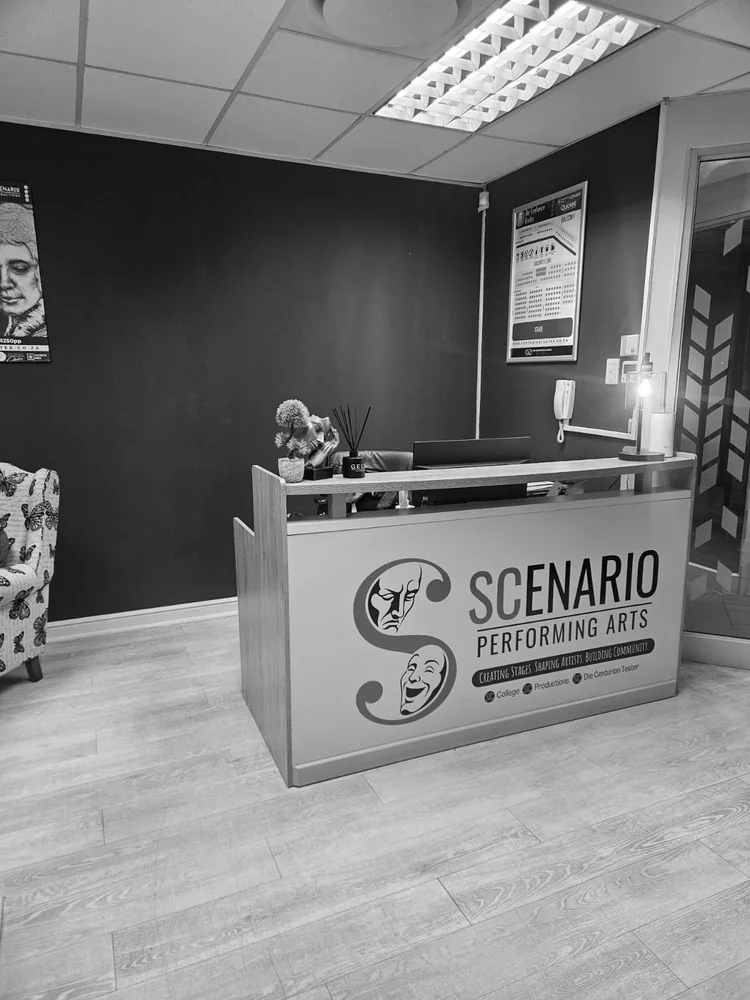
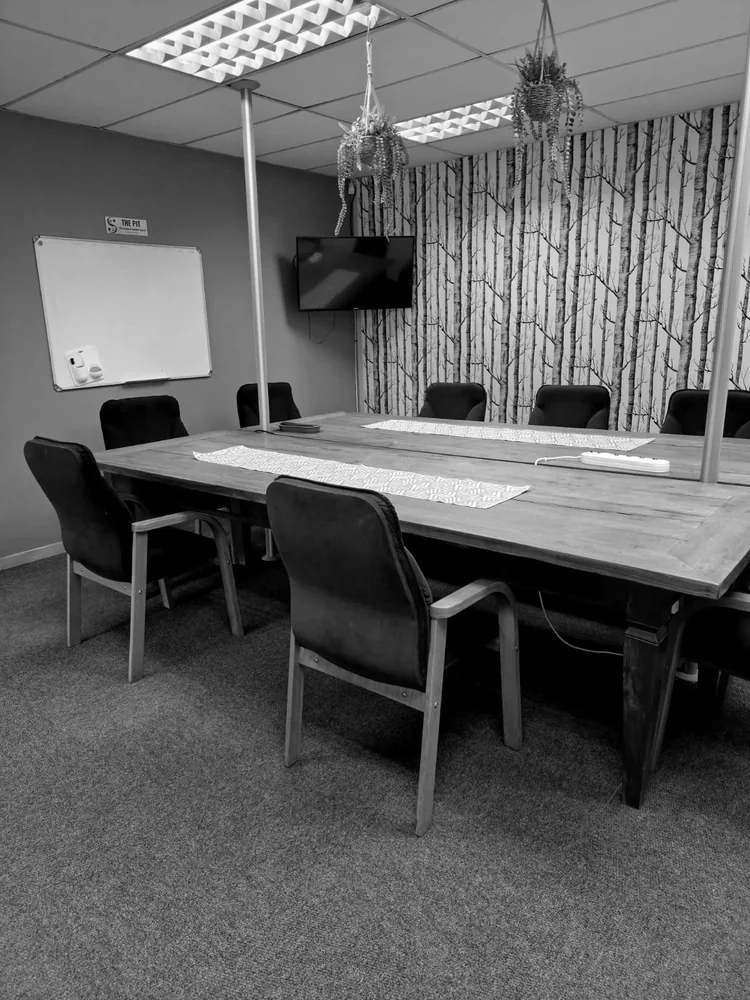
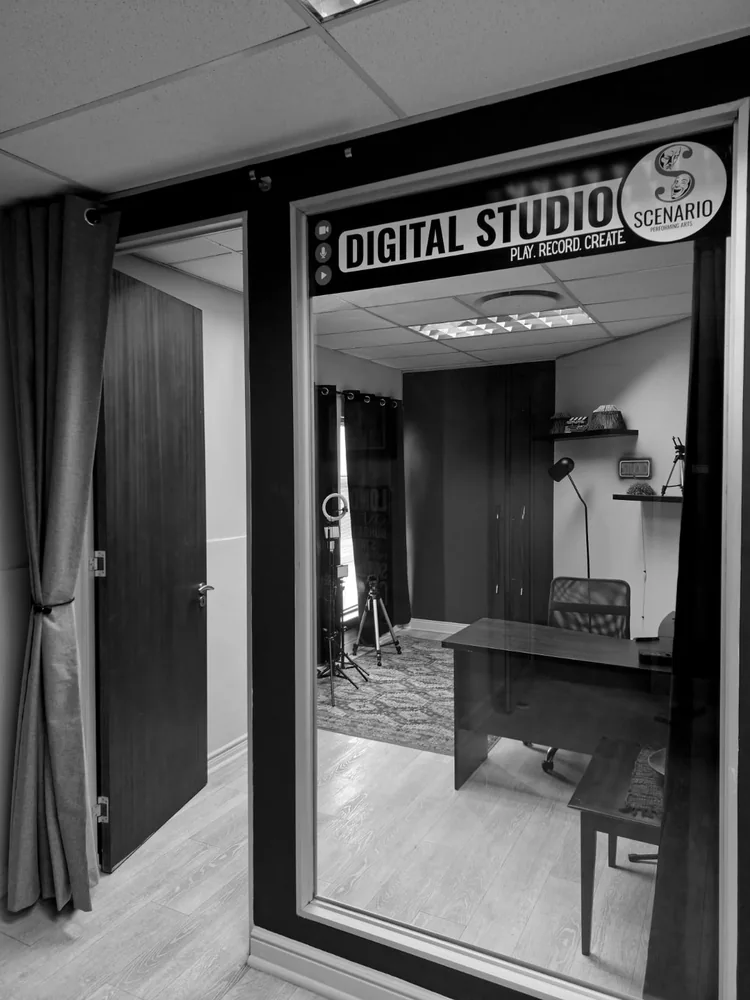
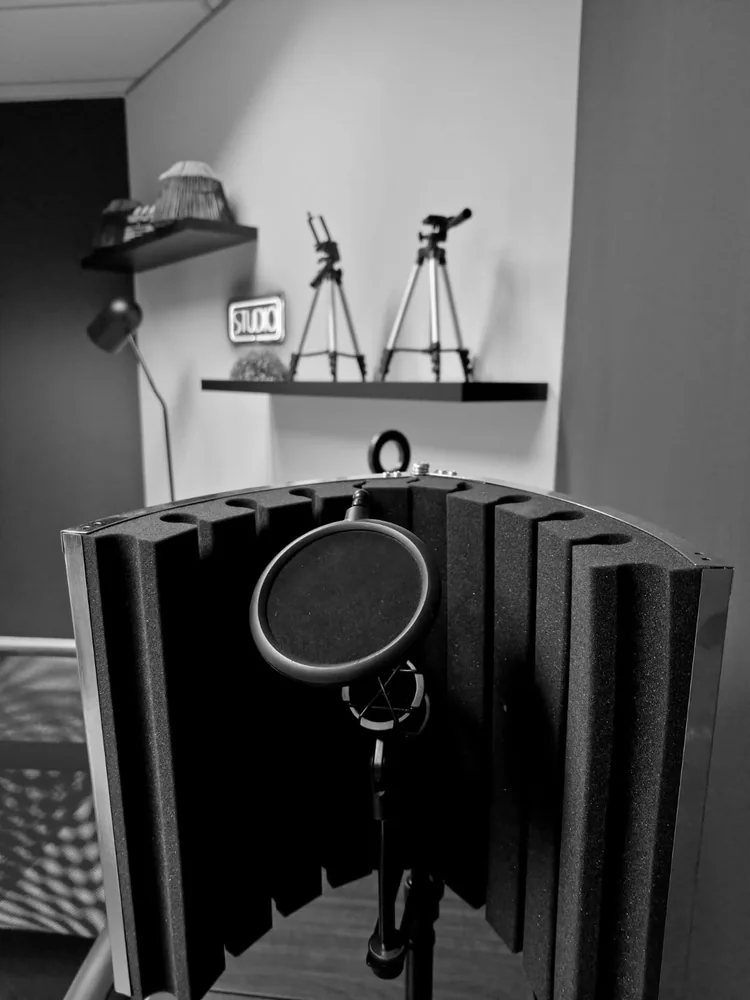
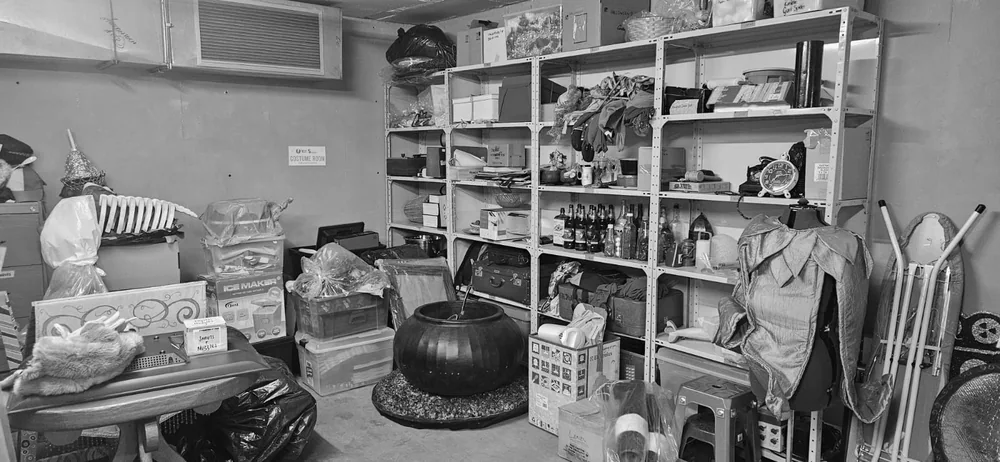
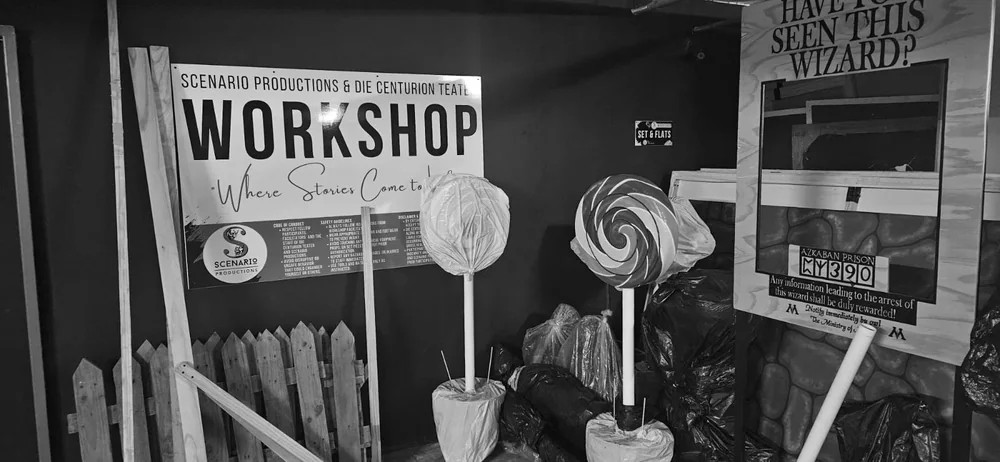
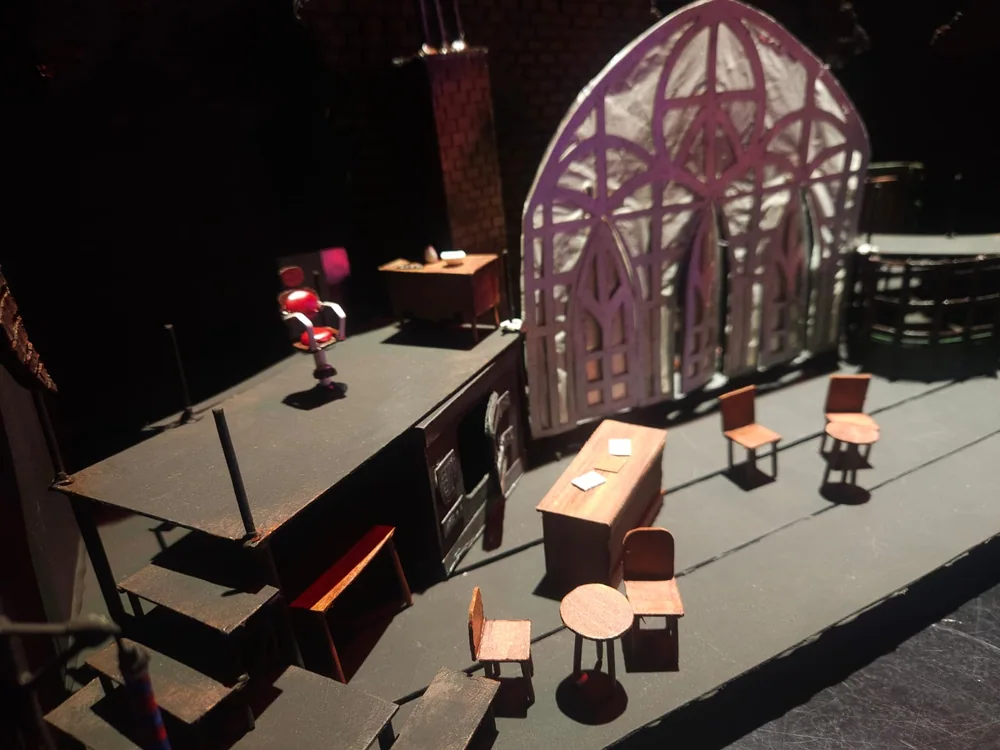
Train in a live performance venue equipped with professional sound, lighting and multimedia equipment. Practical work can move from rehearsal into the space where shows are staged and audiences gather.
Studio space supports acting, voice, movement and ensemble rehearsal. Classrooms make room for theory, writing, design discussions, business studies and production planning.
Use microphones and cameras to practise work for the screen and recorded media.
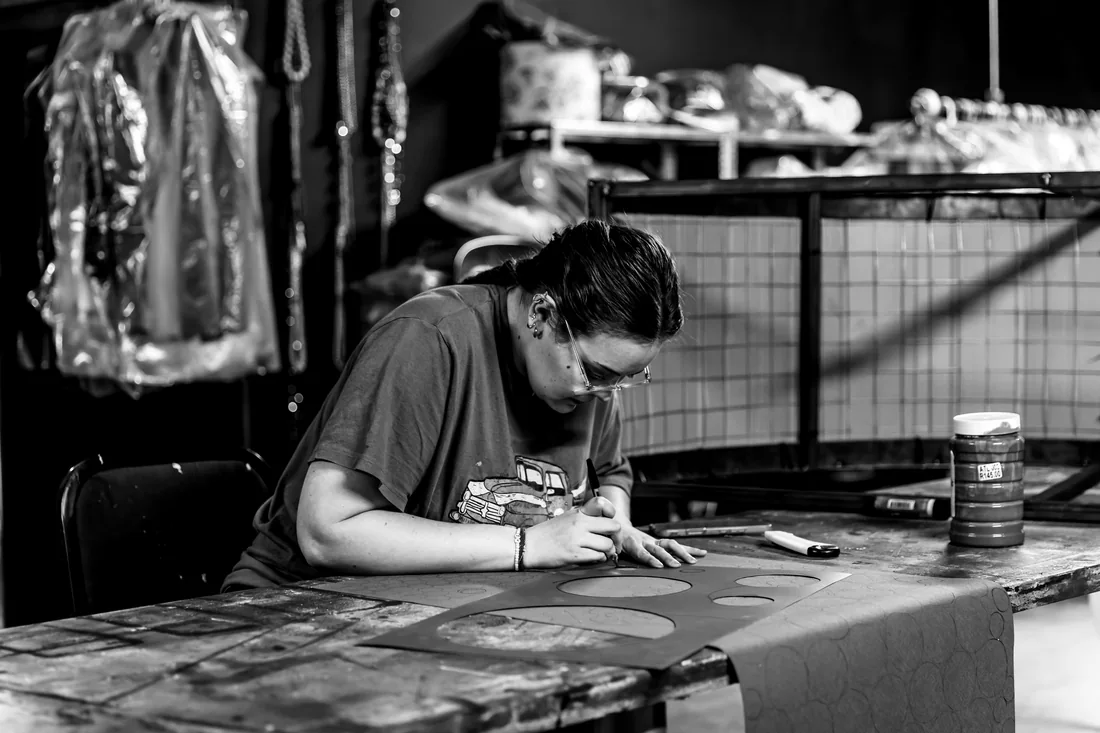
Develop sets, props, costumes and stagecraft with professional tools and guidance from working practitioners. Depending on the brief, students may work on a set, a prop or an installation and document the process for their portfolios.
Students can access scripts, academic material, industry manuals and research tools to support classwork and independent study.
The on-site café is a meeting place for students, artists and audiences, whether you’re catching up between classes, discussing a project or celebrating a production.
What you learn in class goes to work in a real production environment. Through the Scenario Performing Arts Ecosystem, students have access to hands-on opportunities through Die Centurion Teater | The Centurion Theatre and Scenario Productions. Depending on your course and the production schedule, your hours could include supporting a rehearsal, helping prepare props or costumes, or assisting a technical team during a production.
You can also propose a relevant project with an outside theatre, company or practitioner and check its suitability with the College before you count the hours. Your facilitator will explain what counts for your course. Record the work and hours in your workplace logbook and have it signed by your supervisor or mentor.
Workplace learning is part of your training. Activities depend on the course and projects available, and participation carries no promise of paid work or a specific production role.
Meet the team in January or contact Admissions to ask about a visit.